
So, your doctor recommended a sleep study. While the idea might seem a little intimidating, you’re definitely not alone. Millions of people undergo this test, also known as a polysomnography, each year. It’s one of the most effective ways to diagnose common sleep disorders that impact your health and energy, like sleep apnea, insomnia, or restless leg syndrome. Getting a clear diagnosis is the first, most important step toward understanding what’s disrupting your rest. From there, you can finally start getting the quality sleep you need and deserve.
Understanding what to expect before, during, and after your polysomnography can help reduce anxiety and ensure you get the most accurate results. This guide covers everything you need to know about preparing for your first sleep study in 2026.
Concerned about sleep study billing or insurance coverage? Contact AMS Solutions for expert guidance on sleep medicine billing and claims management.
What Is a Sleep Study (Polysomnography)?

A sleep study, formally known as polysomnography (PSG), is a non-invasive overnight test that records your body’s activity while you sleep. The test monitors several physiological functions simultaneously to help your healthcare provider identify sleep disorders that may be disrupting your rest.
During a polysomnography session, sensors placed on your body track the following:
- Brain waves (EEG): Electrodes on your scalp measure electrical activity in the brain to determine your sleep stages, including light sleep, deep sleep, and REM sleep.
- Eye movements (EOG): Sensors near your eyes detect rapid eye movements that indicate REM sleep, a critical phase for dreaming and memory consolidation.
- Muscle activity (EMG): Electrodes on your chin and legs monitor muscle tone and movement, helping identify conditions like restless leg syndrome or REM sleep behavior disorder.
- Heart rhythm (ECG): A sensor tracks your heart rate and rhythm throughout the night to detect cardiac irregularities associated with sleep-disordered breathing.
- Breathing patterns: Airflow sensors near your nose and mouth, along with effort belts around your chest and abdomen, measure the depth and regularity of your breathing.
- Blood oxygen levels (SpO2): A pulse oximeter on your finger continuously monitors oxygen saturation, which can drop significantly during apnea events.
These measurements provide your sleep specialist with a comprehensive picture of what happens while you sleep. The data helps distinguish between different types of sleep disorders and determine the most appropriate treatment plan.
Signs You Might Need a Sleep Study
Your doctor may recommend a polysomnography test if you experience symptoms that suggest an underlying sleep disorder. Common reasons for ordering a sleep study include:
- Loud, chronic snoring that disrupts your sleep or your partner’s sleep
- Witnessed pauses in breathing during sleep, often reported by a bed partner
- Excessive daytime sleepiness that persists despite getting adequate hours of sleep
- Difficulty falling or staying asleep that does not improve with basic sleep hygiene changes
- Unusual behaviors during sleep, such as sleepwalking, acting out dreams, or violent movements
- Restless leg sensations that create an irresistible urge to move your legs at night
- Morning headaches combined with a dry mouth or sore throat upon waking
Sleep apnea is the most common condition diagnosed through polysomnography. The American Academy of Sleep Medicine estimates that approximately 30 million Americans have obstructive sleep apnea, though many remain undiagnosed. Left untreated, sleep apnea increases the risk of high blood pressure, heart disease, stroke, diabetes, and depression.
If your healthcare provider has referred you for a sleep study, it means they have identified enough clinical indicators to warrant a thorough evaluation of your sleep patterns.
What Can a Sleep Study Diagnose?
A polysomnography is a powerful tool because it provides a detailed, objective look at your sleep architecture. By recording everything from your brain waves and heart rate to your breathing patterns and blood oxygen levels, it helps specialists pinpoint specific issues that might be invisible during a standard office visit. The data collected can confirm or rule out a wide range of sleep-related conditions, giving your healthcare team the clear insights they need to create an effective treatment plan. This comprehensive evaluation is what makes it so valuable for getting to the root of persistent sleep problems that affect a patient’s health and daily life.
Common Sleep Disorders
The most frequent diagnoses made from a sleep study include several well-known conditions. These include sleep apnea, where breathing repeatedly stops and starts, and chronic insomnia, which involves persistent trouble falling or staying asleep. Other common findings are narcolepsy, characterized by overwhelming daytime sleepiness and sudden attacks of sleep, and restless leg syndrome, an uncontrollable urge to move the legs, particularly at night. A polysomnography is the gold standard for identifying these and other disruptive sleep patterns that can significantly impact your daily life and overall health.
Other Diagnosable Conditions
Beyond the most common disorders, a sleep study can identify other important conditions. For example, it can detect parasomnias, which are disruptive sleep-related events like sleepwalking, sleep talking, or night terrors. It also helps diagnose REM sleep behavior disorder, where a person physically acts out vivid dreams. Furthermore, a sleep study isn’t just for an initial diagnosis. Your doctor might recommend one to evaluate how well a treatment, such as CPAP therapy for sleep apnea, is working. This follow-up testing ensures your treatment plan is effective and adjusted as needed, helping to manage long-term health risks associated with untreated sleep issues.
When a Formal Study Might Not Be Necessary
While an in-lab polysomnography is comprehensive, it isn’t always the first or only option. Your doctor will consider your specific symptoms and medical history to determine the best diagnostic path. For instance, if your symptoms strongly point to uncomplicated obstructive sleep apnea, your provider might first recommend a Home Sleep Apnea Test (HSAT). An HSAT is a simplified version of a sleep study that you can do in the comfort of your own bed. It monitors fewer variables—typically breathing, heart rate, and oxygen levels—but is often sufficient for diagnosing moderate to severe sleep apnea. This approach can be more convenient and less expensive for patients.
Additionally, a formal sleep study is not usually required for conditions that can be diagnosed through clinical evaluation alone, such as simple teeth grinding (bruxism) or occasional nightmares. It’s also generally not needed to monitor sleep apnea that is already well-managed with CPAP therapy, unless new symptoms arise or your doctor wants to confirm the treatment’s ongoing effectiveness. Understanding the nuances between different diagnostic tools is key for both patient care and accurate medical billing. As a provider, ensuring you use the correct codes for in-lab versus home studies is essential for proper reimbursement. A sleep study remains a critical tool, but it’s part of a broader diagnostic toolkit.
How to Prepare for Your Sleep Study
Proper preparation helps ensure your polysomnography results are accurate and representative of your typical sleep patterns. Follow these steps in the days and hours leading up to your test.
Getting a Referral for Your Study
The first step toward a sleep study is getting a referral from your healthcare provider. If your doctor suggests a polysomnography, it’s because they’ve noticed clinical signs that point to a possible sleep disorder. They might be concerned about symptoms you’ve mentioned, like loud snoring, gasping for air at night, or feeling exhausted all day even after a full night’s rest. Untreated sleep disorders, especially sleep apnea, can lead to serious health problems, including high blood pressure, heart disease, and stroke. Your doctor’s referral is a crucial step in getting an accurate diagnosis and creating a treatment plan to protect your long-term health. Think of it as your provider advocating for a deeper look into your sleep to ensure you get the care you need.
The Days Leading Up to Your Study
- Maintain your regular sleep schedule. Avoid drastically changing your bedtime or wake time in the week before the test. Consistency gives the sleep lab a reliable baseline of your natural patterns.
- Avoid napping on the day of the study. Arriving at the sleep lab feeling naturally tired helps you fall asleep more easily in an unfamiliar environment.
- Limit caffeine intake. Reduce or eliminate caffeine after noon on the day of your study. Coffee, tea, energy drinks, and chocolate can all interfere with your ability to fall asleep and alter your sleep architecture.
- Avoid alcohol. Do not consume alcohol for at least 24 hours before your study. While alcohol may make you feel drowsy initially, it significantly disrupts sleep quality and can mask or exaggerate certain sleep disorders.
- Continue your medications unless told otherwise. Some medications affect sleep, but your doctor will advise you specifically about which medications to continue or pause. Never stop a medication without explicit instructions from your prescribing provider.
What to Do on the Day of Your Study
- Shower and wash your hair before arriving. Clean skin and hair allow the sensors to adhere properly. Avoid using hair products, lotions, or oils after washing.
- Pack comfort items. Bring your own pajamas, pillow, a book, or anything else that helps you feel comfortable at bedtime.
- Eat a normal dinner before arriving. Avoid heavy, spicy, or greasy meals that might cause discomfort.
- Arrive on time. Most sleep labs ask patients to check in between 7:30 PM and 9:00 PM. The technician will need 30 to 45 minutes to attach the sensors before your designated lights-out time.
What to Pack for Your Overnight Stay
- Government-issued photo ID and your insurance card
- A list of all current medications and dosages
- Comfortable sleepwear (two-piece clothing works best for sensor placement)
- Your own pillow if you prefer
- Reading material or a device for entertainment before lights out
- Any prescribed sleep aids or CPAP equipment if you already use them
- Toiletries for the morning
What to Expect During Your Sleep Study

Understanding the step-by-step process of a polysomnography session removes much of the uncertainty and helps you approach the experience with confidence.
Arriving and Getting Set Up
When you arrive at the sleep center, a registered polysomnographic technologist will greet you and show you to your private room. Most modern sleep labs are designed to resemble comfortable hotel rooms rather than clinical settings. You will have a private bathroom, a bed, and a television.
The technologist will explain the process, answer your questions, and then begin attaching the monitoring sensors. This setup process typically takes 30 to 45 minutes and involves placing small adhesive electrodes on your scalp, face, and chin, attaching respiratory effort belts around your chest and abdomen, positioning airflow sensors near your nose and mouth, clipping a pulse oximeter to your finger, and placing EMG sensors on your legs.
The wires from all sensors connect to a small portable box that allows you to move freely in bed. While the setup may look complicated, the sensors are painless, and most patients report that they forget about the wires within minutes of lying down.
Lights Out: Monitoring You Through the Night
Once the sensors are in place and you are ready for bed, the technologist will perform a calibration test. They will ask you to perform a series of movements, such as looking left and right, blinking, and holding your breath briefly. This ensures that all sensors are recording correctly.
After calibration, the lights go out and your study begins. The technologist monitors your data in real time from an adjacent control room. A camera with infrared capabilities records your body position and movements throughout the night.
You do not need to sleep perfectly for the study to be useful. Sleep technologists understand that sleeping in an unfamiliar environment with sensors attached is not the same as sleeping at home. Most patients manage to get enough sleep for the physician to make a reliable diagnosis. Even fragmented or lighter sleep provides valuable diagnostic information.
If the technologist observes significant sleep apnea during the first half of the night, they may wake you to begin a split-night study. In this scenario, a CPAP (continuous positive airway pressure) machine is fitted for the remainder of the night to determine the optimal pressure setting for treatment.
How Technicians Monitor Your Sleep
Throughout the night, a registered polysomnographic technologist acts as your dedicated guardian from a separate control room. They watch multiple screens displaying the real-time data from your sensors, including your brain waves, heart rhythm, breathing, and oxygen levels. Their primary job is to ensure the equipment is recording high-quality data and to document any significant events, like apneas or leg movements. They also monitor you via an infrared camera for safety and to correlate physical movements with the data. If you need assistance, you can speak to them through an intercom system. This constant, careful observation ensures that your sleep specialist receives the most accurate and comprehensive information possible to make a diagnosis.
Waking Up and Going Home
The technologist will wake you in the morning, typically between 5:30 AM and 6:30 AM, and remove all the sensors. The adhesive used for electrode placement is water-soluble and washes off easily in the shower. You can resume your normal daily activities immediately, including driving and going to work.
Common Side Effects
While polysomnography is a safe and painless procedure, it’s helpful to know about a few minor side effects. The most common issue is slight discomfort from the sensors, but most people adapt quickly and forget the wires are even there. It’s also completely normal for your sleep to be a bit disrupted—sleeping in a new place is different, and technicians account for this when analyzing your results. Some patients notice mild skin irritation where the electrodes were placed, but the adhesive is gentle and washes off easily. You might feel a little tired the next day, but even a night of fragmented sleep provides the crucial data your doctor needs for an accurate diagnosis.
How to Read Your Sleep Study Results
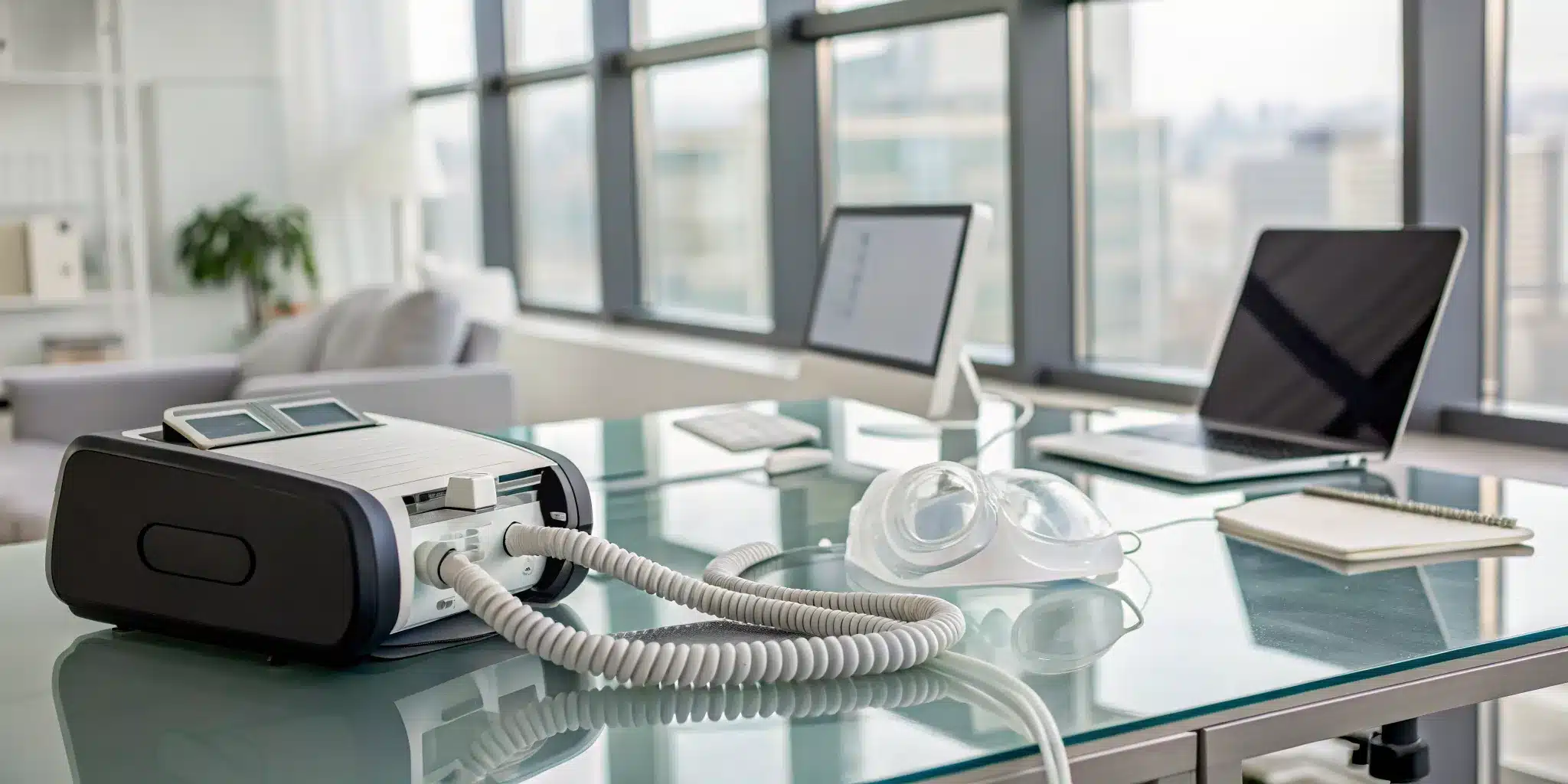
After your polysomnography, a board-certified sleep medicine physician will analyze the recorded data. This analysis typically takes one to two weeks. Your referring physician will contact you to discuss the findings and recommend a treatment plan.
Key Terms in Your Sleep Report Explained
Your polysomnography report will include several important measurements:
- Apnea-Hypopnea Index (AHI): This is the primary metric for diagnosing sleep apnea. It measures the number of times per hour that your breathing partially or completely stops during sleep. An AHI below 5 is considered normal, 5 to 15 is mild sleep apnea, 15 to 30 is moderate, and above 30 is severe.
- Oxygen Desaturation Index (ODI): This tracks how often your blood oxygen level drops below a threshold during sleep. Frequent desaturations indicate significant breathing disruptions.
- Sleep efficiency: The percentage of time you spent asleep versus time spent in bed. Normal sleep efficiency is above 85%.
- Sleep architecture: The distribution of time spent in each sleep stage (light, deep, and REM). Abnormal sleep architecture can point to specific disorders.
- Periodic limb movement index: The number of leg movements per hour during sleep, used to diagnose periodic limb movement disorder.
Understanding these metrics helps you have a more productive conversation with your physician about treatment options.
Need help navigating sleep study billing and insurance claims? AMS Solutions specializes in sleep medicine revenue cycle management and can help your practice maximize reimbursements.
Understanding Sleep Stages: NREM and REM
Your sleep report breaks down your night into different stages because sleep isn’t a single, static state. Throughout the night, your brain cycles through two main types of sleep: Non-rapid eye movement (NREM) and rapid eye movement (REM). NREM sleep is divided into three phases. It begins with N1, the light dozing-off stage, and progresses into N2, where your body temperature drops and brain waves show unique patterns. The most restorative phase is N3, or deep sleep, which is vital for physical recovery and immune function. Following the NREM stages, you enter REM sleep. This is the stage where most dreaming occurs and is critical for memory consolidation and emotional regulation. Your sleep study tracks how much time you spend in each stage, creating a map of your night known as sleep architecture. An imbalance in these stages can signal an underlying sleep disorder.
Not All Sleep Studies Are the Same
Not all sleep studies are the same. Depending on your symptoms and medical history, your doctor may order one of several variations:
In-Lab Study (PSG): The Gold Standard
The standard overnight sleep study conducted at a sleep center. This is the most comprehensive test and is typically ordered for suspected sleep apnea, narcolepsy, REM sleep behavior disorder, or periodic limb movement disorder.
Type 1 and Split-Night Studies
A Type 1 study is the formal name for the comprehensive, in-lab polysomnogram. This is the gold standard because it captures the most detailed data, which is crucial for diagnosing not just sleep apnea but also more complex issues like narcolepsy or REM sleep behavior disorder. Sometimes, this test becomes a split-night study. If the technologist sees significant sleep apnea early on, they may wake the patient to fit a CPAP mask. They then use the second half of the night to find the optimal pressure setting for treatment. This two-in-one approach combines diagnosis and initial therapy calibration in a single session, which streamlines the patient’s path to treatment and simplifies the practice’s billing and coding procedures.
Home Sleep Test (HSAT): Studying in Your Own Bed
A simplified version of the sleep study that you can complete in your own bed. HSAT devices typically monitor airflow, breathing effort, blood oxygen levels, and heart rate. While more convenient, home tests are less comprehensive than in-lab studies and are primarily used when obstructive sleep apnea is the suspected diagnosis in patients without significant comorbidities.
Who Is a Candidate for an HSAT?
Home sleep apnea tests are primarily used to diagnose obstructive sleep apnea (OSA) in patients who don’t have other significant health conditions, like severe pulmonary disease or congestive heart failure. An HSAT is a great option for individuals who show the classic signs of sleep apnea—such as loud snoring, witnessed breathing pauses, and excessive daytime sleepiness—but for whom an in-lab study might be inconvenient or unnecessary. Because they are simpler and performed at home, HSATs offer a more comfortable and accessible first step in the diagnostic process for many of your patients, reserving the more comprehensive in-lab polysomnography for more complex cases.
Interpreting HSAT Data
When you receive the results, the key metric you’ll analyze is the Apnea-Hypopnea Index (AHI). This number quantifies the average number of times per hour that a person stops breathing (apnea) or has very shallow breaths (hypopnea) during sleep. The AHI score directly determines the severity of sleep apnea. According to the Mayo Clinic, an AHI below 5 is considered normal. A score of 5 to 15 indicates mild sleep apnea, 15 to 30 is moderate, and an AHI above 30 signifies severe sleep apnea. This data is crucial for creating an effective treatment plan and for ensuring accurate medical coding for reimbursement.
Disposable At-Home Equipment
The logistics of home testing have become much simpler for both patients and practices. Many modern HSAT devices are designed to be partially or fully disposable, which improves the user experience and reduces administrative burdens. After the test is complete, the patient can simply remove the single-use sensors and return or dispose of the equipment as instructed. This user-friendly approach not only makes the process less intimidating for patients but also streamlines the workflow for your staff by eliminating the need to sterilize and manage reusable equipment, making it an efficient diagnostic tool for your practice to offer.
MSLT: Measuring How Quickly You Fall Asleep
A daytime test performed after an overnight PSG. The MSLT measures how quickly you fall asleep during the day across four to five scheduled nap opportunities. It is the standard diagnostic test for narcolepsy and idiopathic hypersomnia.
MWT: Testing Your Ability to Stay Awake
Similar to the MSLT but measures your ability to stay awake during the day. This test is often required for safety-sensitive occupations such as commercial drivers and pilots.
Sleep Study Costs and Insurance Coverage
One of the most common concerns patients have about sleep studies is the cost and insurance coverage. Here is what you should know:
- Most insurance plans cover medically necessary sleep studies. If your physician orders a polysomnography based on clinical symptoms, your health insurance plan will generally cover the test. This includes Medicare, Medicaid, and most commercial insurance plans.
- Prior authorization may be required. Many insurance companies require your doctor to obtain prior authorization before scheduling a sleep study. This process verifies that the test is medically necessary based on your symptoms and clinical history.
- In-lab studies typically cost more than home tests. An in-lab polysomnography can range from $1,000 to $3,000 before insurance, while a home sleep test may cost $300 to $600. Your out-of-pocket responsibility depends on your deductible, copay, and coinsurance amounts.
- Check with your insurance provider in advance. Contact your insurance company before your scheduled study to confirm coverage, verify that the sleep center is in-network, and understand your expected out-of-pocket costs.
Practices that work with experienced medical billing partners can help ensure that sleep study claims are submitted correctly the first time, reducing the risk of denials and unexpected patient charges. Proper coding of polysomnography procedures, including CPT codes 95810 (attended PSG, 6+ years) and 95811 (PSG with CPAP titration), is critical for clean claim submission.
The Importance of Accurate Billing and Coding
Accurate billing and coding are the backbone of a financially healthy sleep medicine practice. For sleep studies, this means ensuring every claim is submitted correctly to receive appropriate reimbursement from insurance providers. Most insurance plans cover medically necessary polysomnography, but the process often starts with securing prior authorization. This step confirms the test is justified by the patient’s symptoms and clinical history, which helps prevent unexpected costs for patients and claim denials for your practice. Given that an in-lab study can cost thousands of dollars, any error in the billing process can lead to significant revenue loss and patient frustration. Using the correct CPT codes, like 95810 for an attended PSG or 95811 for a study with CPAP titration, is essential for clean claim submission and avoiding costly payment delays.
Partnering with Billing Experts
For many sleep centers and neurology practices, working with billing experts is a key step toward financial stability. A specialized team understands the specific complexities of sleep medicine billing, from handling intricate prior authorization requirements to applying the correct modifiers for split-night studies. This expertise ensures claims are not only accurate but also optimized for the highest possible reimbursement. When you outsource this function, your administrative staff is freed from the time-consuming tasks of claim submission, denial management, and payer follow-up. This allows your team to focus on what matters most: providing excellent patient care and improving clinical outcomes. A dedicated billing partner acts as an extension of your practice, protecting your revenue cycle while you concentrate on your patients.
Frequently Asked Questions About Sleep Studies
Is a sleep study painful?
No. A polysomnography is completely non-invasive and painless. The sensors are attached to your skin with gentle adhesive, and no needles or invasive procedures are involved. Most patients experience only mild inconvenience from the wires, which they typically adjust to within a few minutes.
Can I take my regular medications before a sleep study?
In most cases, yes. However, you should provide your sleep center with a complete list of your medications when you schedule the study. Certain medications, particularly sedatives and sleep aids, may need to be adjusted or paused. Always follow the specific instructions from your prescribing physician.
What if I can’t fall asleep during the study?
This is a common concern, and sleep technologists are experienced in helping patients relax. Most people do eventually fall asleep, even if it takes longer than usual. The study does not require a full eight hours of sleep to be diagnostic. Even four to five hours of data can provide valuable information.
The “First-Night Effect” and Minimum Sleep Requirements
It’s completely normal to feel a little anxious about sleeping in a new place. In fact, there’s a clinical term for it: the first-night effect, which describes how sleep can be lighter or more fragmented in an unfamiliar environment. Sleep technologists are well aware of this and factor it into their evaluation. You don’t need to have a perfect night’s sleep for the study to be useful. The main objective is to collect enough data for a reliable diagnosis, and even a few hours of lighter or interrupted sleep provide a wealth of information for your physician to analyze. The pressure is off, so you can focus on resting as best you can.
Accommodations for Night Shift Workers
If you work the night shift, an overnight sleep study might seem like a logistical nightmare, but sleep centers are prepared for non-traditional schedules. Most labs can arrange for your study to be conducted during the daytime to match your regular sleep period. The goal is to monitor you during your typical sleep, whether that happens at 10 PM or 10 AM. When you schedule your appointment, just be sure to inform the staff about your work hours. They will work with you to find a time that fits your routine, ensuring the test accurately captures your sleep patterns and that you are as comfortable as possible.
How long does it take to get my results?
Results are typically available within one to two weeks. A board-certified sleep medicine physician must review and interpret the recorded data before providing a report to your referring physician. Your doctor’s office will contact you to schedule a follow-up appointment to discuss the findings.
Are sleep studies just for adults?
Yes. Pediatric sleep studies are commonly performed to diagnose conditions such as sleep apnea, sleepwalking, night terrors, and other sleep disorders in children. Pediatric sleep labs are specifically designed to be child-friendly, and a parent or caregiver is usually allowed to stay overnight in the room.
Arrangements for Pediatric Sleep Studies
If your child has been referred for a sleep study, it’s natural to worry about how they’ll handle an unfamiliar environment. Pediatric sleep labs are specifically designed to be welcoming and less intimidating for children. A parent or caregiver is encouraged to stay overnight in the room, providing a comforting and familiar presence. The sleep technologists are experienced in working with kids and will take extra time to explain the process in an age-appropriate way. The equipment itself is also different; smaller sensors are used to make the setup feel less overwhelming. You can and should discuss any concerns with the technologist beforehand to help prepare for the sleep study and ensure your child feels as safe and secure as possible throughout the night.
Your Next Step Toward Better Sleep
If your physician has recommended a sleep study, scheduling it promptly is important. Untreated sleep disorders can progressively worsen and contribute to serious health complications. A polysomnography provides the definitive data your healthcare team needs to develop an effective treatment plan.
For healthcare practices looking to optimize their sleep study billing processes, AMS Solutions offers specialized sleep medicine billing services backed by over 30 years of experience. Our 100% U.S.-based team understands the unique coding and documentation requirements for polysomnography, CPAP titration, and home sleep testing. Contact us today for a free consultation, or call (214) 336-7674 to speak with a billing specialist.
Key Takeaways
- Pinpoint the root of your sleep problems: A polysomnography is a painless, non-invasive test that records your body’s activity, including breathing and brain waves, giving your doctor the precise data needed for an accurate diagnosis.
- Simple preparation leads to clear results: For the most reliable data, stick to your usual sleep schedule but skip naps, caffeine, and alcohol on the day of your study. Remember, you don’t need a perfect night’s rest for the test to be successful.
- Know what to expect after your study: A sleep specialist will analyze key metrics like your Apnea-Hypopnea Index (AHI) to create a report. Before your test, contact your insurance provider to confirm coverage and prior authorization requirements to understand your financial responsibility.
